Showing posts with label farm. Show all posts

Friday, May 15, 2009

Bandar Harapan Organic Farm

I was glad during the long weekend of Labour Day holiday I was able to spend time on my own enjoying things that I like. For instance, I visited the Sg. Buluh Nursery, went for photo shoot at the Subang Jaya uncompleted flyover and last visited the Bandar Harapan Organic Farm. I wanna share with all of you my outing to Bandar Harapan Organic Farm.


The Bandar Harapan Organic Farm (BH) is located in Ara Damansara. It's the first time I have been there even though I have heard so much about it. It is not difficult to find the location. Based on the map that I found on its website, I drove out to search for the farm. It wasn't difficult to find. Amazingly, the farm is located behind the area of posh bungalows within Ara Damansara residential houses.

Map 1: Direction to BH from Subang Airport

Map 2: Direction to BH from Kelana Jaya

My friend, Seong Mooi, who is a school teacher has adopted a piece of land within BH (about 200 square feet) to do organic farming. She would bring her school students there on Sundays to teach them about nature, plants and carry out environmental education with them. She said the owner of BH, Ivan Ho, actually taught them how to do organic farming on Sundays and on weekdays, the BH team will help to maintain the plants for them. She pays RM200 monthly for the maintenance of her plot of land in BH.


I think this is a rather interesting concept for urban people like us, who would love to try out organic farming and yet is lack of land in our usual linked houses.

I reached BH a bit late. My friend, Seong Mooi and her students have left the farm. Ivan has also left the farm with the harvest of the day. He sometimes sell his farm's produces in the Subang Jaya Buddhist Association. Fortunately, Ivan's assistant, Siti was around to let me in.

I had a great time exploring the farm and shooting away with my camera. These are what I saw at the farm. For one who grows up in town, I really enjoy exploring the farm and checking out the fruits and flowers there.
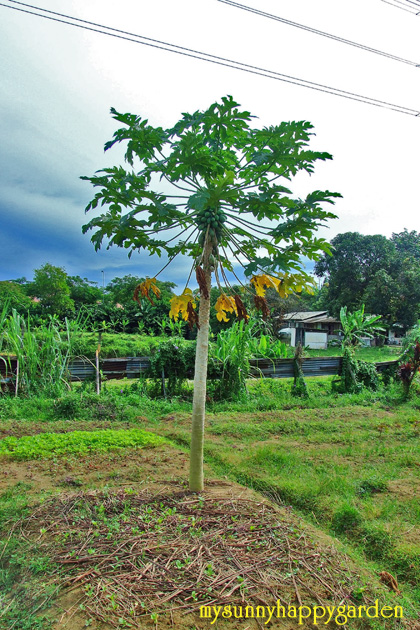

A papaya tree growing among the little choy sum.
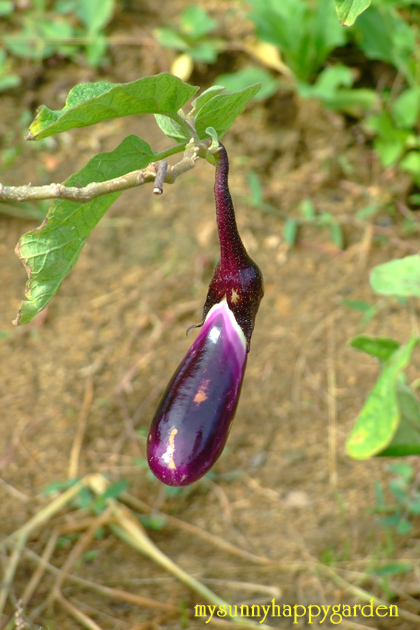

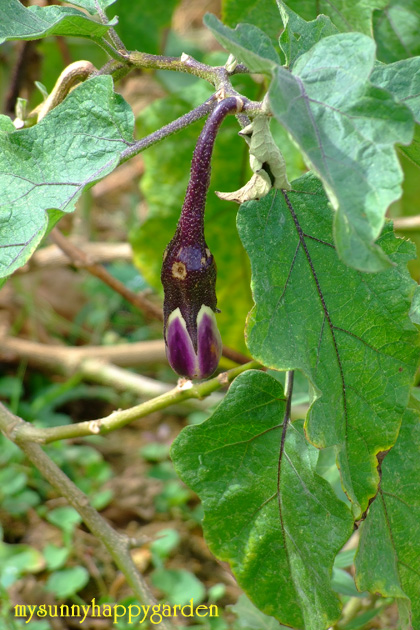
Brinjals hanging from their stems.
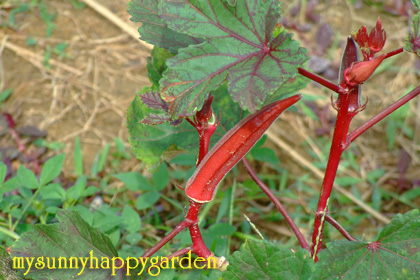
Red ladyfingers? I don't know why they are red.
(Added 29 May 2009: I was told by a friend that this red lady fingers are from Taiwan.
Bandar Harapan is trying to propagate more of this red lady fingers.)
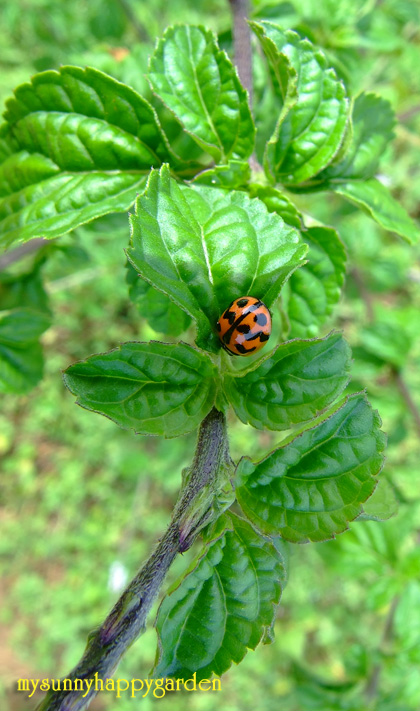
A beautiful orange colour ladybird on a plant


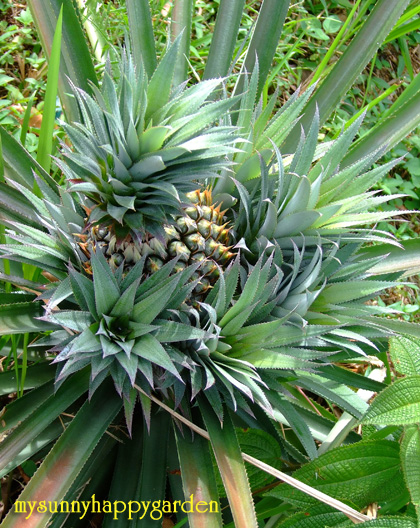
This is a big pineapple. There are a few growing by the side of the fence.

The mulberries in this farm produce many fruits.


Turmeric (kunyit) growing healthily

A type of sugar cane.
We usually boil it with rock sugar and it helps to reduce heatiness in the body.

Misai Kuching

Morning Glory (Seri Pagi)

A water catchment pond, surrounded by Morning Glory.

A busy rooster


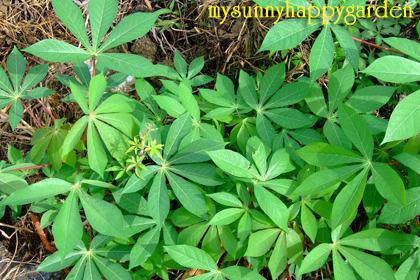
Tapioca shoots
(Corrected on 29 May 2009, thanks to blogger Jenny for highlighting my mistake of tagging it
as Sweet Potato shoots)
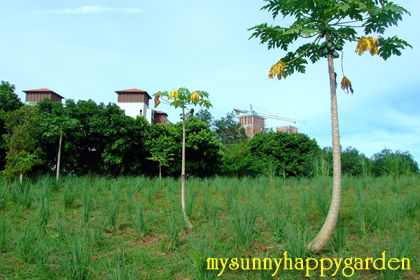

Rows of lemon grass
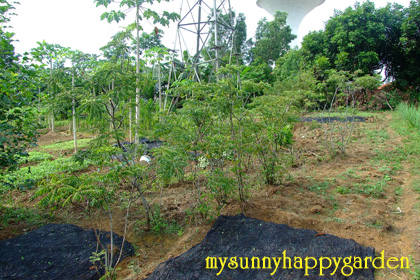

Curry leaves
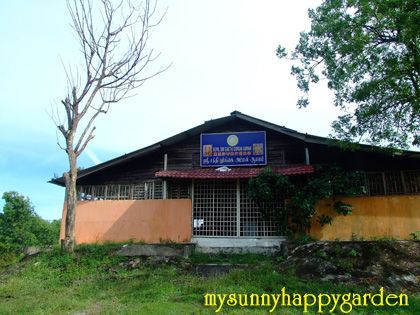

A Hindu temple is found in the compound of BH.
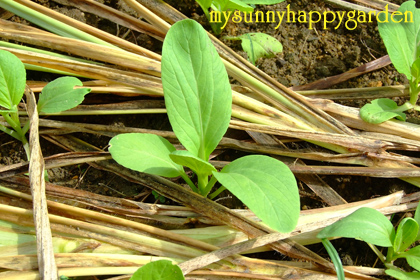

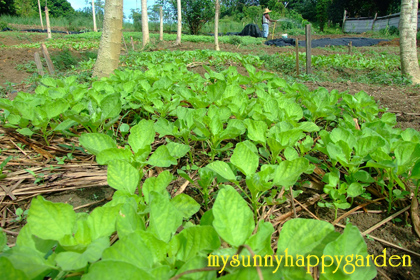
Young choy sum
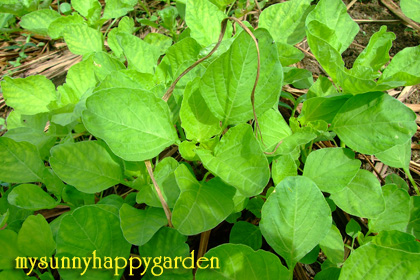


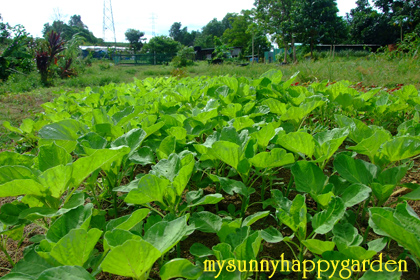
Lush green spinach


Flower of Lady Fingers


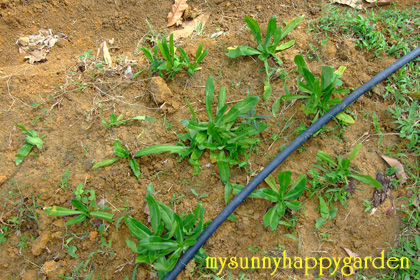
Lady fingers

For those of you who have not been to a farm, do give it a try. It's really fun exploring the place and checking out the vegies and plants growing!

Tuesday, May 5, 2009

Sawtooth Coriander


I got 2 small Sawtooth Coriander plants from Alokarama. I am trying to grow them in the garden. I am not sure how they propagate but I hope they would grow well.

If you see the leaves of the plant, you will see its serrated edges that looks similar to a saw. Hence, the name Sawtooth Coriander.

While in Alokarama, we were introduced to this herb that has a similar taste to coriander. We sliced the herbs thinly and put it into our nasi ulam. I like its crunchiness and coriandeer-like fragrant. A good substitute for coriander if you don't have any in the fridge.

Have you tasted the Sawtooth Coriander before?

Thursday, April 30, 2009

Ylang-Ylang @ Alokarama (Fragrant Blooms Series)


I have seen this fragrant yellow flower before but never do I know that it is called Ylang-Ylang (pronounced ee-lang ee-lang)! Yup, this is the flower that is widely used in perfume! The most well-known perfume containing Ylang-Ylang is the world famous Chanel No. 5. Ylang Ylang is also used in other perfumes such as "Aqua De Gio" by Giorgio Armani, "Poison" by Christian Dior, and "Elise Fields" ("Champs Elysee") by Guerlain.


This Ylang-Ylang tree in my photo is a dwarf version that is about 3 feet tall. It is planted by grafting. The tree that was planted from seed was over 30 feet tall. Unfortunately I didn't capture any photo of it. That big Ylang-Ylang tree can be found in the Herbs Garden section of Alokarama.


I brought a stem-cut from this Ylang-Ylang bush home to propagate. But the whole tree dried up. I read online that it is very difficult to grow Ylang-Ylang from stem cutting. Mmmm....sigh.......I should have bought the pot of Ylang-Ylang that I saw at a nursery in Tangkak. We went shopping for plants there. A pot of Ylang-Ylang was only RM6!! Probably I will have to check out the nursery in Sg. Buluh to find this plant. Another item to be added to my fragrant blooms list!


The Ylang-Ylang flower changes color from pale green to lemon yellow. Old flowers have a dark yellow color with brown spots and are about 2" long with narrow petals gracefully hanging down.


In addition to its wonderful fragrance, the plant blooms practically year round. Its branches are entirely covered with clusters of flowers and dark green oval fruits. Ripe fruits have a black color. Ylang-Ylang fruits are not used in foods; however they are quite edible.

Ylang-Ylang features are numerous:

1) it is very fast growing - you'll have a mature tree in no time
2) its nice columnar shape requires no special pruning
3) its roots are non-invasive
4) it has practically no pest problems
5) it is not messy because it doesn't drop much leaves, and it's evergreen
6) its branches are flexible in the wind
7) it blooms almost year-round and will suffuse all of your neighborhood with a fine fragrance.
8) its flowers are pollinated by night moths; therefore the most intensive smell is released from dusk until dawn.

Conditions for cultivating Ylang-Ylang:
============================

Light: Provide full sun to ensure better flowering.

Water & Humidity: Water your Ylang-Ylang daily for the first 2-3weeks after you plant it. Then regular sprinkler irrigation will be sufficient. Cananga Odorata is a rainforest tropical tree that thrives best in a high-humidity environment. Average water is needed; water regularly; but do not overwater. Suitable for growing in containers

Fertilization: Fertilize the plant with one-half dose of blooming-grade balanced fertilizer at least once a month during the growth period to encourage blooming.

Pests: The tree is practically pest-free. No special treatments are usually required to keep it healthy.

Soil pH requirements:
5.6 to 6.0 (acidic)
6.1 to 6.5 (mildly acidic)

Propagation Methods:
From herbaceous stem cuttings
From seed; direct sow

Seed Collecting:
Unblemished fruit must be significantly overripe before harvesting seed; clean and dry seeds. Seed does not store well; sow as soon as possible

Other details:
This plant is attractive to bees, butterflies and/or birds.

Legend of Ylang-Ylang:
==================

There is a Philippine legend that tells about a married couple who had everything in their life except children. In a dream, the gods came to them and promised to grant them a daughter, provided that the girl should never touch a man once she matures. The girl was named Ilang ("Flower"). She grew to be a true beauty, and there was no lack of men asking to marry her, but her parents guarded her in order not to break their agreement with the gods.


One day when the parents were not at home, Ilang went to her garden to collect a bouquet of flowers. Unexpectedly, there appeared a young man who for a long time had been in love with her.


He held her by her hand and said, "I love you, be my wife." Instantly the girl disappeared, turning into a small tree with very fragrant flowers. "Ilang! Ilang!" cried the young man. Since that day, it is said that the young man continues to wander in the magic garden, calling out her name throughout eternity.
----------------------------------------------------------------------------------------
Added on 3 May 2009:
I was in Sg. Buluh yesterday. The nurseries there called the Ylang-Ylang as Bunga Kenanga. They don't know what is Ylang-Ylang.

Tuesday, April 28, 2009

Green Thumb Workshop @ Alokarama (25-26 Apr 2009)

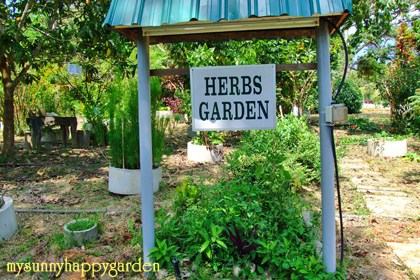
The herbs garden at Alokarama.


I am back from the Green Thumb Workshop in Alokarama retreat centre in Asahan, Melaka.

Unfortunately, the soil specialist who were supposed to speak on soil improvement didn't make it to the workshop. However, we still had a good time working in the herbs garden (as seen in the above photo) ~ weeding, pruning and harvesting.

We also learnt the various benefits of the variety of herbs planted there. There are so many herbs and it would take me a very long time to learn them. We also used the harvested herb i.e. misai kucing, lemon grass and pandan leaves to boil tea with them. In preparation of our meals, we also used various herbs to prepare our meals, e.g. sawtooth coriander for nasi ulam, cili padi and limes as condiment and lemon grass for assam pedas. It was so fun to cook while in Alokarama as those herbs are easily available as they are also planted just outside the kitchen area.

There are so many fruit trees (durian, papaya, jackfruit, duku langsat, mulberry), flowers (birds of paradise, ylang ylang, kerak nasi, jasmine & etc), herbs, leafy & aquatic plants (lotus & waterlily) in the Alokarama's orchard. I will try to share them here with all of you in the next few days.

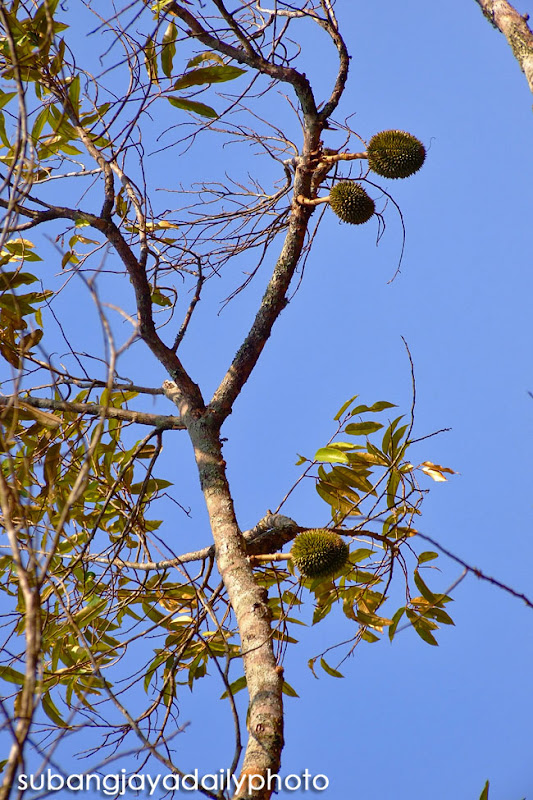
Durian fruits on tree.

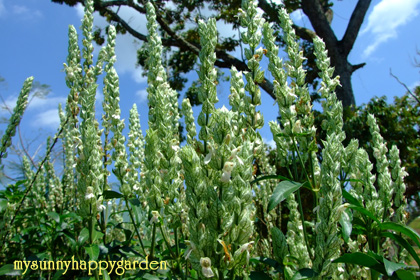
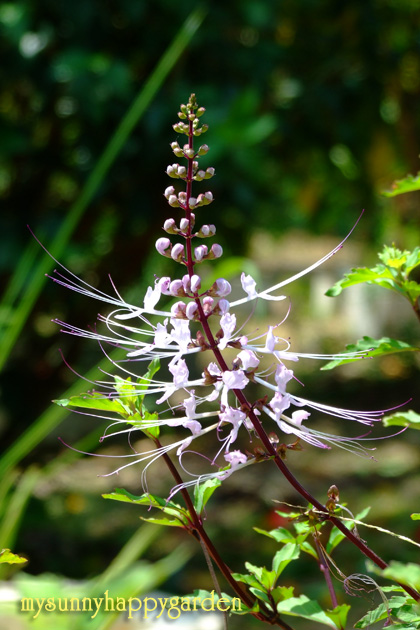
I don't know what's the name of this herb. We pruned this plant. I like the beautiful flowers.

Added on 30 Apr 2009. Found on Malaysian Herbs website that this plant is called Ekor Kuching. USAGE : The root of this herb is considered useful for healing bone fractures and for the treatment of urinary diseases, tumors, oedema, burning sensation and difficult breathing. The leaves are considered antiseptic and are used to treat gonorrhoea. The root is credited with aphrodisiac properties; its paste, mixed with water, is used as an antidote for snakebite. Its decoction is prescribed for cough, chiles and fevers. The roots and pods are used in the treatment of anal prolapse in infants, and pods are used to treat sore throat in childrenParts Used: Roots, leaves and pods.


Misai Kucing


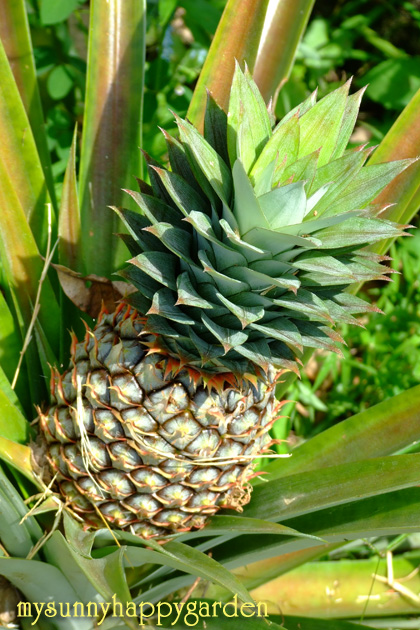
Pineapple


Silhoutte of a durian tree


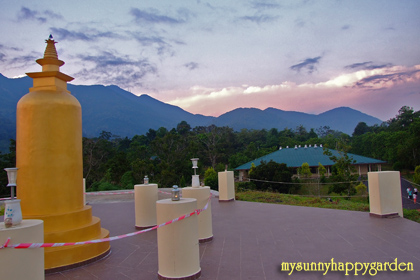
The beautiful view of Gunung Ledang from the stupa site


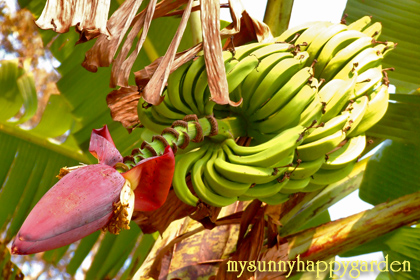
Banana fruit


Mulberries


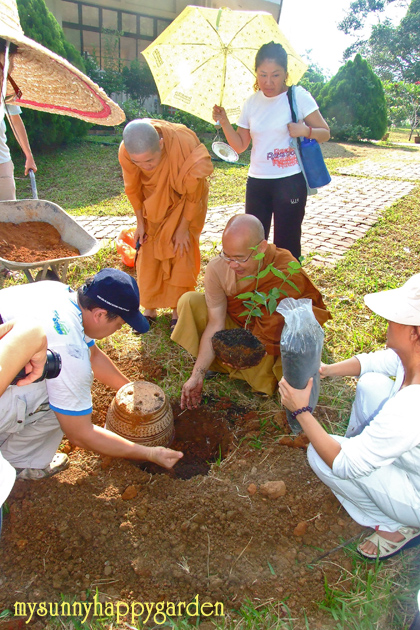
All of us planted a plant together with Rev. Mahinda & Sis. Sumangala. The sapling of this fragrant flowering plant was brought back by Rev. Mahinda from Sarnath, India (which was the deer park where the Buddha preached his first sermon).


A video of us planting a plant at Alokarama during the recent Green Thumb Workshop.

LinkWithin

Related Posts Widget for Blogs by LinkWithin
Custom Search